

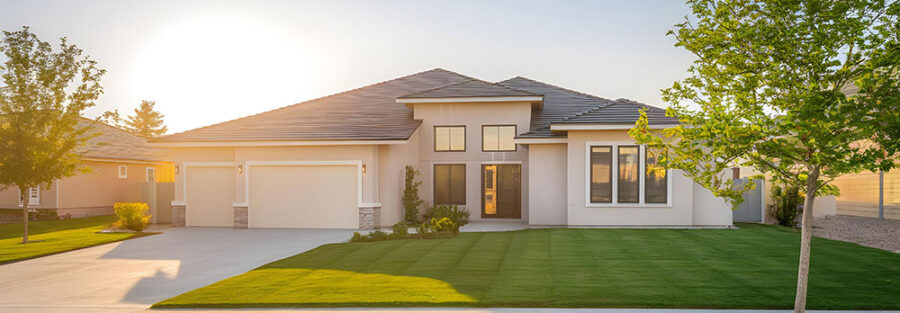
What to Consider Before Building a New Home?
Building a new home is an exciting opportunity to create a space that fits your lifestyle, needs, and future plans. However, successful home construction requires careful planning long before the first foundation is poured. From choosing the right location to planning electrical, plumbing, and HVAC systems, every decision can affect the home’s comfort, efficiency, and long-term value.
Here are some important factors to consider before starting a new home construction project.
1. Establish a Realistic Budget
The first step is determining how much you can comfortably invest in your new home. Your budget should include more than just construction costs. Consider expenses such as land preparation, permits, design, utility connections, materials, labor, landscaping, and potential unexpected costs.
Setting aside a contingency amount can provide additional flexibility if changes or unforeseen expenses arise during construction.
2. Choose the Right Location
Location can have a significant impact on your home’s value, convenience, and future livability. Consider access to schools, workplaces, shopping, healthcare, transportation, and other important amenities.
You should also evaluate the property’s drainage, soil conditions, accessibility, utility availability, and local building requirements before finalizing your plans.
3. Plan the Home's Layout Carefully
Think about how you and your family will use the home now and in the future. Consider the number and size of bedrooms, bathrooms, kitchen layout, storage areas, living spaces, and outdoor areas.
A well-planned layout can make everyday activities easier while providing flexibility as your needs change. For example, you may want to include a home office, guest room, larger storage area, or adaptable living space.
4. Consider Energy Efficiency
Energy efficiency should be considered during the design stage rather than added later. Proper insulation, energy-efficient windows, efficient HVAC equipment, and smart controls can help reduce energy consumption and improve indoor comfort.
The orientation of the home, natural lighting, ventilation, and building materials can also influence long-term energy performance.
5. Plan HVAC, Plumbing, and Electrical Systems Early
The home’s essential systems should be considered during the planning and design stages. HVAC, plumbing, and electrical requirements can influence wall layouts, ceiling spaces, equipment locations, and utility connections.
Planning these systems early helps ensure that the home has appropriate capacity for current needs and potential future upgrades. It can also help avoid costly modifications during later stages of construction.
6. Think About Future Needs
A new home is a long-term investment, so it is worth thinking beyond your immediate needs. Consider how your lifestyle may change over the next several years.
Future considerations might include additional bedrooms, an expanded living area, an electric vehicle charger, upgraded electrical capacity, smart-home technology, or space for aging family members.
Planning for these possibilities during construction can be easier and more cost-effective than making major changes later.
7. Understand Permits and Building Requirements
New home construction typically involves permits, inspections, zoning requirements, and local building regulations. These requirements can vary depending on the location and scope of the project.
Understanding the approval process early can help prevent unnecessary delays and ensure that construction follows applicable requirements.
8. Select Materials Carefully
Construction materials affect appearance, durability, maintenance requirements, and overall cost. When choosing flooring, roofing, windows, cabinetry, fixtures, and other finishes, consider both aesthetics and long-term performance.
Choosing quality materials doesn’t necessarily mean selecting the most expensive option. The goal is to find materials that provide the right balance of durability, performance, appearance, and budget.
9. Plan for Proper Maintenance
Maintenance should be considered before construction begins. Easy access to HVAC equipment, plumbing components, electrical panels, and other systems can make future inspections and repairs easier.
Selecting durable materials and properly planning essential home systems can also reduce maintenance requirements and contribute to the home’s long-term performance.
10. Work With Experienced Professionals
Building a home involves many different stages and trades, including design, site preparation, construction, HVAC, plumbing, and electrical installation. Coordinating these components effectively is important for keeping the project organized and minimizing potential problems.
Working with experienced residential construction professionals can help homeowners navigate the construction process and make informed decisions throughout the project.
Final Thoughts
Building a new home requires thoughtful planning, but taking the time to make important decisions early can lead to a more comfortable, efficient, and functional home. From budgeting and layout planning to HVAC, plumbing, electrical systems, and future improvements, every detail contributes to the overall success of the project.
If you’re planning new home construction, OSS Residential provides comprehensive residential construction and home improvement solutions to help homeowners create comfortable, functional, and well-built homes. Learn more about residential construction services on our website.